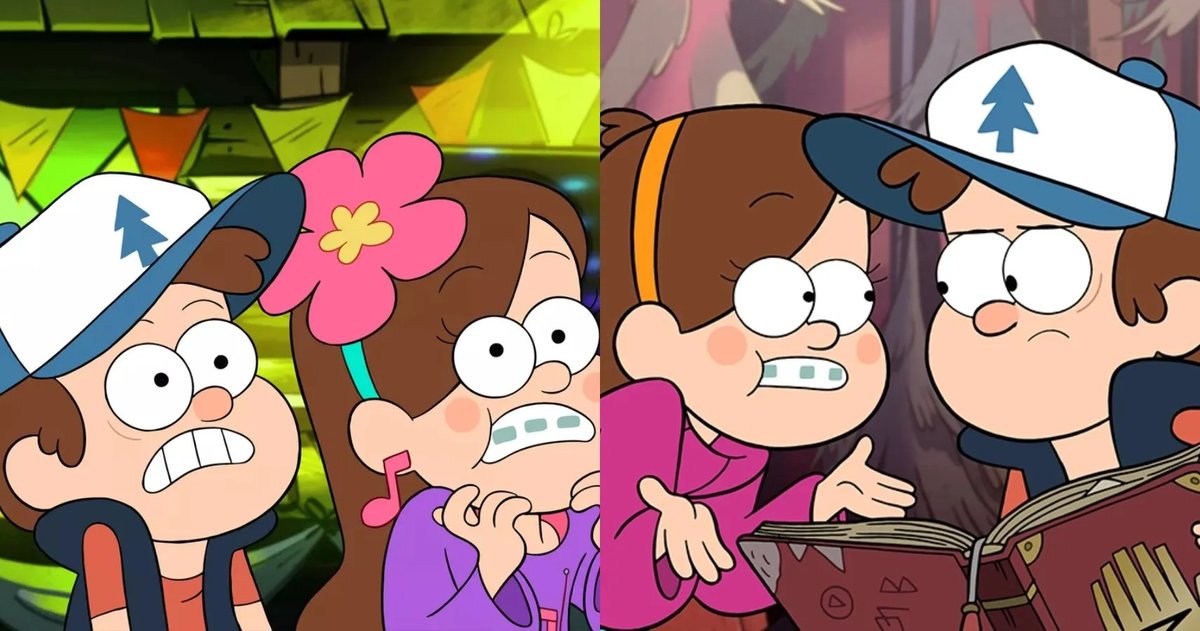
From its very first episode, Gravity Falls wasn't just another animated show; it was a carefully constructed puzzle box, brimming with hidden ciphers, background gags, and tantalizing hints that ignited a unique Gravity Falls fan culture & theories movement. Fans didn't just watch Dipper and Mabel's summer adventures in the enigmatic town; they became active participants, dissecting every frame, rewinding audio, and pausing at just the right moment to unearth the next clue. This wasn't merely passive entertainment; it was a call to arms for amateur detectives worldwide, fostering a vibrant, ongoing community of deep speculation that continues to thrive long after the final credits rolled.
At a Glance: Diving Deep into Gravity Falls Fan Culture
- A Show Designed for Mystery: Creator Alex Hirsch intentionally wove ciphers, Easter eggs, and deep lore into every episode, inviting active viewer participation.
- The Power of Re-watchability: A finite, well-structured story encourages endless re-watches, revealing new layers of detail for eagle-eyed fans.
- Community-Driven Speculation: Online forums, wikis, and social media platforms became central hubs for collaborative clue-hunting and theory crafting.
- Popular Theories Endure: Even years later, theories like Bill Cipher's potential return remain hot topics, fueled by subtle hints left in the show.
- Creator Engagement: Alex Hirsch often engaged with fan theories, sometimes confirming, sometimes playfully misdirecting, but always encouraging the conversation.
- Impact on Legacy: This culture of deep speculation has cemented Gravity Falls as a benchmark for intelligent, mystery-rich storytelling in animation.
The Genesis of a Phenomenon: Why Gravity Falls Demanded More
When Gravity Falls premiered on Disney Channel in 2012, it quickly charmed audiences with its blend of humor, heart, and genuine scares. But beneath the surface of a seemingly innocent kids' show lay an intricate web of mysteries, codes, and continuity that elevated it beyond its peers. Creator Alex Hirsch made a deliberate choice to craft a story that rewarded close attention, weaving in cryptograms, hidden images, and foreshadowing that practically begged viewers to pause, rewind, and theorize. This wasn't just a show; it was an interactive narrative experience.
Unlike many long-running series, Gravity Falls had a predetermined end point. Hirsch consciously decided to conclude the story after two seasons, ensuring a tight, focused narrative arc for Dipper and Mabel's journey. While this decision saddened many, it inadvertently fueled the fan theory engine even more. A finite number of episodes meant a finite number of clues, allowing fans to meticulously comb through every minute without fear of new episodes negating their work. It transformed the series into a self-contained universe ripe for endless re-analysis, where every detail, no matter how small, could hold a significant meaning.
Decoding the Enigma: How Fans Became Master Sleuths
The core of Gravity Falls fan culture lies in its approach to decoding the show's many secrets. It began with the simple cryptograms at the end of each episode's credits, evolving into more complex ciphers like the Caesar, Atbash, and Vigenère. Solving these wasn't just a fun diversion; it often revealed extra snippets of lore, character insights, or hints about future plot points. This direct, tangible reward for detective work created a positive feedback loop: the more fans searched, the more they found, and the more they wanted to search.
This communal puzzle-solving quickly migrated online. Websites, forums, and eventually dedicated wikis and subreddits became virtual war rooms where fans pooled their observations. Screenshots were shared, audio clips reversed, and theories meticulously cross-referenced against every available piece of evidence. The collective intelligence of the fandom became a powerful force, capable of uncovering connections and predicting plot twists that often surprised even the show's creators. This collaborative spirit fostered a strong sense of community, where shared discovery was as rewarding as the show itself.
The Anatomy of a Gravity Falls Theory: What Makes Them Stick?
Not all fan theories are created equal. In the world of Gravity Falls, the most enduring and captivating theories share several common traits:
- Evidential Basis: They aren't just wild guesses. Strong theories are rooted in concrete evidence from the show: a specific line of dialogue, a background drawing, a hidden message, or even a subtle character expression.
- Plausibility within Lore: While often surprising, the best theories feel consistent with the established rules and tone of the Gravity Falls universe. They expand the lore rather than contradict it.
- Foreshadowing Potential: Many theories thrive on the idea that the show's creators were playing the long game, planting seeds for future reveals from the very beginning.
- Emotional Resonance: Theories that deepen character understanding, add layers to relationships, or explain long-standing mysteries often gain the most traction.
- Unconfirmed Status: The most persistent theories are often those that the show itself didn't explicitly confirm or deny, leaving room for continued debate and speculation.
One prime example of a theory that checked all these boxes centers around the villainous, triangular dream demon, Bill Cipher. While the series finale seemed to show Stan and his brother defeating Cipher, his final words, when played backwards, reveal a chilling message: "I invoke the ancient power that I may return." This audio clue, meticulously discovered by fans, sparked immediate and enduring speculation that Bill Cipher isn't truly gone, but merely waiting for an opportunity to manifest again. This single piece of evidence, coupled with the character's enigmatic nature and immense power, continues to fuel hope for his eventual return, should the show ever revisit the town.
Iconic Theories That Defined the Fandom
Beyond Bill Cipher's potential return, the Gravity Falls fandom has churned out countless theories, some debunked, many confirmed, and a good portion still hotly debated. These theories often fall into categories like:
Character Identity & Backstory Theories
- The Third Journal Author: Before its reveal, this was perhaps the biggest mystery. Fan theories ranged from Stan having a secret twin to Dipper time-traveling, or even a completely new character. The actual reveal of Ford Pines, Stan's long-lost brother, was foreshadowed so meticulously that many fans had pieced it together well in advance, a testament to the show's intricate writing and the fandom's dedication.
- Stan's Criminal Past: Hints about Stan's shadowy history were abundant, leading to theories about everything from petty theft to deeper, more sinister dealings. His complex motivations and moral ambiguity made him a rich character for speculative backstory.
- Soos's Family Secrets: While Soos is the lovable handyman, subtle hints about his father's absence and his grandmother's wisdom have led to theories about his potentially deeper connection to Gravity Falls' supernatural elements or a significant lineage.
Plot & Lore Expansion Theories
- The Nature of the Journals: Beyond simply documenting creatures, theories explored if the journals themselves held magical properties, or if their author had a grander plan that extended beyond merely observing the town's oddities.
- Time Baby's True Power: The all-powerful, time-traveling infant ruler of the future is a fascinating character whose full capabilities and influence on the timeline were ripe for speculation. Could he truly be defeated, or merely delayed?
- The Gravity Falls Anomaly: Many theories ponder the very source of Gravity Falls' strangeness. Is it a magical ley line? An ancient curse? A crashed alien spaceship? Explore Gravity Falls Oregon and you'll find plenty of real-world oddities that spark similar curiosity. The show hints at an underlying, perhaps singular, reason for the town's concentrated weirdness, which fans have endlessly tried to pinpoint.
Meta-Theories & Creator Intent
- Alex Hirsch is Dipper: Given the autobiographical elements of the show, many fans theorized that Dipper was a direct stand-in for Hirsch's own childhood experiences, a theory Hirsch has openly acknowledged the inspiration for.
- The Show is a Cipher Itself: This overarching meta-theory posits that the entire series, from its narrative structure to its visual style, functions as one giant cipher, waiting for fans to fully unlock its deepest meanings.
The Enduring Legacy of an Unfinished Mystery
Even with a definitive ending, the Gravity Falls fan theory culture shows little sign of waning. Why? Because the show was so expertly crafted to invite re-engagement. Each re-watch isn't just a trip down memory lane; it's an opportunity for new discoveries, for connecting dots previously missed, and for appreciating the sheer density of detail packed into every episode. The show doesn't just present a story; it presents a world, and worlds can be explored indefinitely.
The community aspect also plays a crucial role. The act of theorizing is often a social one, a shared intellectual pursuit that fosters connection. Discussing Gravity Falls theories is a way to relive the magic, to acknowledge the show's profound impact, and to keep its spirit alive. It's a testament to the quality of the storytelling that it continues to inspire such passionate, in-depth analysis years later.
Addressing Common Misconceptions About Fan Theorizing
While fan theories are largely a positive force, they can sometimes lead to misunderstandings.
- "They're just making stuff up." This isn't true for the best Gravity Falls theories. As discussed, they are usually grounded in specific evidence from the show. The process is more akin to literary analysis than pure fiction writing.
- "The creator owes us answers." While Alex Hirsch has been remarkably generous in engaging with fans, creators aren't obligated to confirm or deny every theory. Sometimes, the ambiguity is part of the intended experience, allowing for personal interpretation.
- "It ruins the show." For many, theorizing enhances the show. It deepens appreciation for the writing, encourages critical thinking, and extends the enjoyment far beyond the initial viewing. It's an active way of experiencing the narrative, not a passive one.
Beyond the Screen: How to Engage with Gravity Falls Speculation
For those new to the world of Gravity Falls fan theories, or veteran fans looking to dive deeper, here's how you can actively participate:
- Re-watch with a Critical Eye: Don't just watch for enjoyment. Pay attention to background details, character reactions, subtle dialogue cues, and anything that seems out of place. Keep a notepad handy!
- Explore the Fandom: Join online communities on Reddit (e.g., r/gravityfalls), dedicated wikis, and fan theory YouTube channels. See what others are discussing and learn how they approach evidence.
- Cross-Reference: If you find a potential clue, try to find other instances or related details in different episodes. Does it form a pattern?
- Formulate Your Own Theories: Don't be afraid to develop your own interpretations. Start with a question, gather evidence, and try to construct a plausible explanation.
- Engage Respectfully: Discussion is key, but always approach debates with respect for other fans' opinions, even if you disagree. The goal is shared discovery, not "winning."
The enduring popularity of Gravity Falls fan theories is a powerful indicator of the show's genius. It’s a series that respects its audience, trusts them to connect the dots, and provides a rich enough tapestry of lore to keep them speculating for years to come. So, whether you're re-watching for the tenth time or just starting your journey into the mysteries of the Pacific Northwest, remember: in Gravity Falls, nothing is quite as it seems, and every detail might just be a breadcrumb to a larger truth. The adventure, and the theories, are far from over.