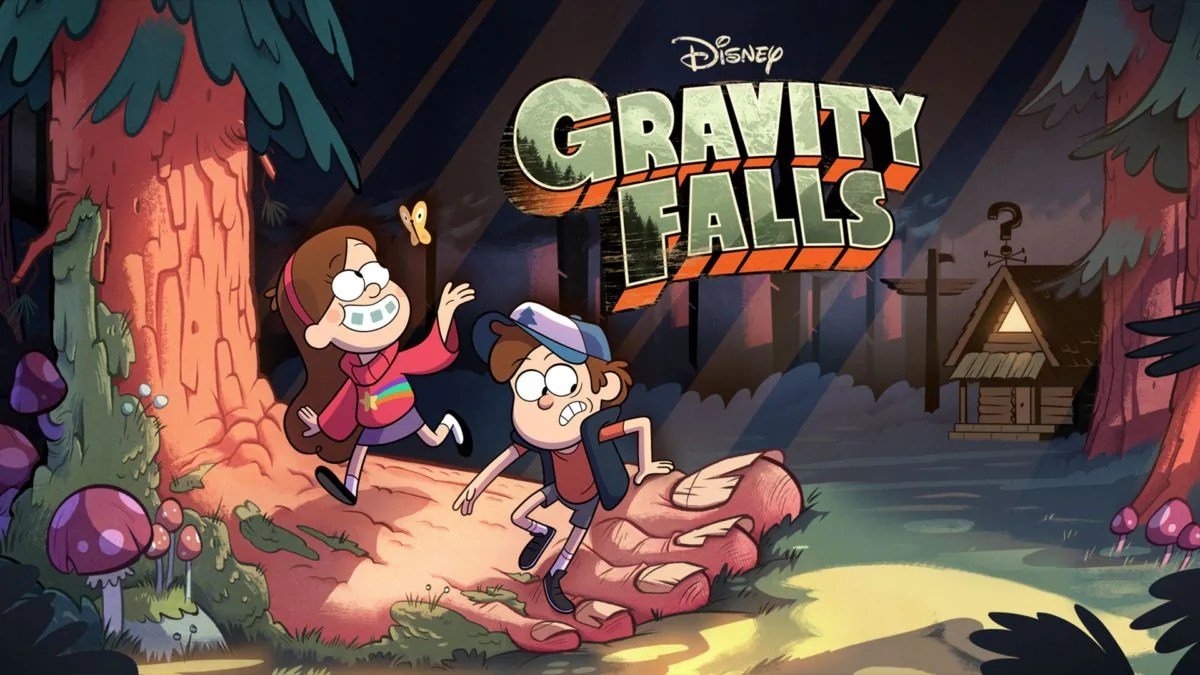
Few animated series capture the cultural zeitgeist quite like Gravity Falls. It's a show that transcended its initial audience, evolving from a quirky Disney cartoon into a beloved cultural touchstone, dissected by fans for its intricate mysteries, heartfelt character arcs, and a unique blend of humor and horror. For anyone curious about the magic behind its creation, diving into the Gravity Falls Creator Insights & Production History offers a masterclass in storytelling, perseverance, and the challenges of bringing a deeply personal vision to life.
At its core, Gravity Falls is the brainchild of Alex Hirsch, an animator, writer, producer, and voice actor whose personal experiences and imaginative spirit infused every frame of the series. Understanding the show isn't just about watching the episodes; it's about appreciating the journey of its creator, from childhood inspirations to navigating the complex world of television production.
At a Glance: Key Takeaways from Gravity Falls' Creation
- Personal Roots: The show is heavily autobiographical, drawing inspiration from Alex Hirsch's childhood vacations, his relationship with his twin sister Ariel (Mabel), and his grandfather (Grunkle Stan).
- Creative Freedom vs. Constraints: Hirsch often pushed boundaries with Disney, facing challenges related to content censorship, particularly regarding LGBTQ+ representation and mature themes.
- Collaborative Genius: While Hirsch was the visionary, the show's success was also built on a talented team of writers, animators, and artists who helped shape its unique world and characters.
- Mystery and Lore: The intricate puzzles, codes, and overarching mythology were a deliberate part of the show's design, encouraging active fan engagement and re-watches.
- A Planned Ending: Unlike many series that linger past their prime, Hirsch chose to end Gravity Falls after two seasons, ensuring a cohesive story with a satisfying, intentional conclusion.
- Lasting Impact: The series left an indelible mark on animation, inspiring a new generation of creators and setting a high bar for serialized storytelling in children's television.
The Genesis of Gravity Falls: From Childhood Dreams to CalArts Pitches
Every great story has an origin, and for Gravity Falls, that beginning wasn't in a sterile writers' room but in the vivid imagination of a young Alex Hirsch. Born in Piedmont, California, in 1985, Hirsch's childhood was rich with family road trips and an innate curiosity for the unexplained. These experiences, particularly his summer vacations, laid the groundwork for the Pines twins' adventures.
His formal journey into animation began at the California Institute of the Arts (CalArts), a renowned breeding ground for animation talent. It was here, graduating in 2007 with a Bachelor of Fine Arts, that Hirsch began honing his craft, developing short films like "Off The Wall" and "Cuddle Bee Hugs N'Such." These early projects showcased his unique blend of humor, character design, and a nascent ability to craft engaging narratives. His student work caught the eye of Cartoon Network, leading to an opportunity that would eventually guide him to Disney Television Animation.
Hirsch’s pitch for Gravity Falls was deeply personal. He recalled his own childhood fascination with the weird and wonderful, often imagining hidden creatures and secret societies in everyday life. He wanted to create a show that mirrored the feeling of those long, mysterious summers, where anything felt possible. This foundational concept, blending supernatural elements with local folklore in a quirky Pacific Northwest setting, resonated immediately with Disney executives. It wasn't just another cartoon; it was an invitation into a world brimming with untold stories, centered around a family that felt both familiar and utterly unique.
Crafting the Pines Family: A Personal Touch
The heart of Gravity Falls beats strongest through its characters, particularly the Pines family. Dipper, Mabel, and Grunkle Stan aren't just archetypes; they're reflections of real people and real relationships in Alex Hirsch's life, lending an authenticity that audiences instantly connected with.
Dipper Pines, the neurotically curious and slightly awkward twin, is a direct stand-in for Hirsch himself. Dipper’s insatiable desire to uncover mysteries, his meticulous note-taking, and his yearning for something more than the ordinary directly echo Hirsch’s own childhood personality. This self-insertion allowed Hirsch to imbue Dipper with genuine anxieties and aspirations, making him a relatable protagonist for countless viewers who felt a little out of place.
Mabel Pines, with her boundless enthusiasm, quirky sweaters, and unwavering optimism, is a vibrant homage to Hirsch's own twin sister, Ariel. Their sibling dynamic, a blend of playful rivalry and unconditional love, forms the emotional bedrock of the series. Mabel's sometimes naive, often brilliant perspective offers a perfect foil to Dipper's cautious skepticism, demonstrating the power of complementary personalities. Hirsch often speaks about how Ariel’s infectious joy and unique way of seeing the world directly shaped Mabel, making her one of the most beloved characters in modern animation.
Then there’s Grunkle Stan, the gruff, con-artist proprietor of the Mystery Shack, whose hidden depths and surprising warmth anchor the family unit. Stan was inspired by Hirsch’s own grandfather, a man with a booming personality and a knack for storytelling. The character’s complex morality, his love for his great-niece and nephew, and his eventual heroic sacrifices all stem from this deeply personal connection. The setting itself, the fictional town of Gravity Falls, Oregon, and the famous Mystery Shack, evokes the kinds of roadside attractions and quirky local legends one might encounter during a family road trip through the Pacific Northwest. If you're intrigued by the geographical inspirations, you might enjoy learning All about Gravity Falls Oregon. This blend of the familiar and the fantastical made the setting feel lived-in and ripe for adventure.
The Production Gauntlet: Animation, Writing, and Voice Acting
Bringing Gravity Falls to life was a monumental undertaking, a continuous cycle of creative ideation, meticulous writing, and painstaking animation. Alex Hirsch was not merely the creator; he was deeply embedded in every stage of the production.
His involvement as a writer and director meant he had a direct hand in shaping the narrative and visual style of each episode. The show’s intricate plotlines, which often featured foreshadowing and recurring motifs, required a highly organized and collaborative writing team. Hirsch fostered an environment where ideas were encouraged, and every character's voice felt distinct. This commitment to detail meant that even throwaway gags often contained clues or callbacks, enriching the viewing experience for attentive fans.
Beyond writing and directing, Hirsch also lent his voice to several key characters. His iconic portrayals of Grunkle Stan, the lovable handyman Soos, and the chilling main antagonist Bill Cipher are testaments to his versatile talent. Voice acting allowed Hirsch another layer of control over his creations, ensuring that the characters sounded exactly as he envisioned them. This multi-faceted involvement gave Gravity Falls a consistent artistic vision, maintaining its unique tone even as the stories grew more ambitious.
The animation style, a blend of traditional hand-drawn aesthetics with modern digital techniques, gave Gravity Falls its distinctive look. It felt classic yet fresh, allowing for both slapstick comedy and genuinely unsettling horror. Every character design, background detail, and magical effect was carefully crafted to immerse viewers in the mysterious world, making the fantastical elements feel grounded within the show's reality.
Behind the Scenes: Navigating Disney, Censorship, and Creative Freedom
Even with a strong vision and a talented team, creating a show for a major network like Disney comes with its own set of challenges. Alex Hirsch has been famously candid about the behind-the-scenes struggles, particularly concerning content censorship and the push and pull of creative freedom.
Hirsch often found himself advocating for certain story elements or character dynamics that Disney's standards and practices department deemed too "mature" or "controversial" for a children's show. This included themes of death, the supernatural, and notably, LGBTQ+ representation. While Gravity Falls did manage to subtly integrate a same-sex couple (Sheriff Blubs and Deputy Durland) in its final episodes, Hirsch has openly stated that he wished he could have been more explicit and earlier with such representation. He faced significant resistance, highlighting the cautious nature of large studios when dealing with potentially sensitive topics.
These battles weren't just about specific plot points; they were about maintaining the show's integrity and its ability to explore complex emotions and real-world issues. Hirsch viewed these constraints as both frustrating and, sometimes, an impetus for creative problem-solving, forcing the team to convey messages through subtext, visual cues, and clever dialogue that could bypass censors. This cat-and-mouse game between creators and network executives is a common thread in animation history, and Hirsch’s insights shed light on the delicate balance required to produce impactful content within commercial frameworks. He has since praised Disney's growth in inclusion but also acknowledged the company's past limitations and perceived hypocrisies regarding creative freedom for animated productions.
The Art of the Mystery: Building a World of Ciphers and Lore
One of the most enduring legacies of Gravity Falls is its intricate, overarching mystery that encouraged active participation from its audience. From hidden messages in the credits to ciphers scattered throughout episodes, the show transformed passive viewing into an interactive treasure hunt. This wasn't accidental; it was a deliberate design choice by Alex Hirsch.
Hirsch understood the power of a good secret. He wanted to reward attentive viewers and foster a sense of community among fans who would collaborate to decode messages and theorize about the show's deeper mythology. This strategy proved incredibly successful, turning casual viewers into dedicated sleuths. The codes varied in complexity, from simple Caesar ciphers to more elaborate Vigenère ciphers and substitution alphabets, evolving as the series progressed and the stakes grew higher.
The lore of Gravity Falls expanded beyond the screen into supplementary materials, most notably Gravity Falls: Journal 3. Co-authored by Hirsch, this in-universe book became a New York Times Best Seller, providing additional context, character backstories, and more secrets for fans to uncover. This transmedia storytelling approach deepened the immersion and extended the life of the franchise well beyond its broadcast run. Following the series' conclusion, Hirsch even organized the "Cipher Hunt" in July 2016, a global treasure hunt that led fans to real-world locations to find fragments of a Bill Cipher statue, culminating in a physical statue in Reedsport, Oregon. This demonstrated his profound understanding of and respect for his fandom, treating them as co-conspirators in the show’s enduring mystery.
Why End a Phenomenon? The Creative Decision to Conclude
In an industry often driven by ratings and renewal orders, Alex Hirsch made a bold and unconventional decision: to conclude Gravity Falls after two highly successful seasons. This choice, announced in November 2015, surprised many fans and network executives alike, given the show's immense popularity.
Hirsch's reasoning was clear and artistically driven: he wanted to tell a complete story. He envisioned Gravity Falls as a finite narrative with a beginning, middle, and a definitive end. He feared that prolonging the series beyond its natural lifespan would dilute its quality, force repetitive plots, and ultimately betray the characters and the emotional journey he had carefully crafted. For Hirsch, the story of Dipper and Mabel’s summer, their growth, and the unraveling of Gravity Falls' mysteries had a natural conclusion.
This decision reflects a creator prioritizing artistic integrity over commercial gain. It ensured that every episode felt significant, every plot thread could be resolved, and the characters’ arcs reached a satisfying culmination. The show's two-season run, comprising forty episodes, allowed for a tight, impactful narrative without the filler that often plagues longer series. This foresight cemented Gravity Falls as a perfectly paced, fully realized work, avoiding the fate of many shows that overstay their welcome. The final episodes, particularly the epic "Weirdmageddon" arc, provided a powerful and emotional send-off, leaving fans with a sense of closure rather than exhaustion.
Beyond Gravity Falls: Hirsch's Enduring Legacy and Future Ventures
While Gravity Falls concluded its broadcast run in February 2016, Alex Hirsch's influence on animation and storytelling has only grown. His work on the show became a benchmark for serialized narratives, complex character development, and meaningful themes in children's television.
Post-Gravity Falls, Hirsch continued to expand the universe with additional New York Times Best Sellers like Gravity Falls: Lost Legends; 4 All-New Adventures! (2018) and the highly anticipated The Book of Bill (July 23, 2024), demonstrating his ongoing commitment to the world he created and the fans who adore it.
His talents extend far beyond his signature creation. Hirsch has contributed to other beloved animated projects, lending his distinctive voice acting skills to shows like "Rick and Morty" and films such as "The Angry Birds Movie 2" and "The Super Mario Bros Movie." He also contributed story elements to Sony’s animated "Spider-Man" film, showcasing his versatile writing prowess. His creative insights are highly sought after, leading him to work as a story consultant and voice actor for acclaimed movies like "The Mitchells vs. the Machines" and "Nimona."
In August 2018, Hirsch signed a multi-year deal with Netflix, signaling his intent to develop new adult animated series, an exciting prospect for fans eager to see his unique vision applied to different genres and audiences. He has also remained a supportive figure for other animators, particularly those who worked on Gravity Falls, providing guest voices and creative consultation for shows like "Amphibia" and "The Owl House," created by his former partner Dana Terrace.
Hirsch is also known for his vocal advocacy, particularly concerning political views and LGBTQ+ representation in animation. He has been a critic of political figures and a strong proponent for greater inclusivity and creative freedom in media, often sharing his experiences and frustrations with network limitations. His charity live streams with Dana Terrace have raised significant funds, demonstrating his commitment to using his platform for positive impact.
The Gravity Falls Effect: Impact on Animation and Fandom
The legacy of Gravity Falls extends far beyond its impressive ratings or critical acclaim. It fundamentally shifted expectations for what a children's animated series could achieve, influencing a new generation of creators and setting a gold standard for fandom engagement.
For animators, Gravity Falls demonstrated that complex, serialized narratives with deep emotional stakes and overarching mysteries could thrive within the children's television landscape. Shows like "Steven Universe," "Star vs. the Forces of Evil," "Amphibia," and "The Owl House" all owe a debt to Gravity Falls' pioneering spirit, daring to tackle more mature themes and build intricate worlds. Hirsch's willingness to push creative boundaries and tell a complete, impactful story proved that audiences, regardless of age, crave depth and authenticity.
For fans, Gravity Falls created an unprecedented level of community and engagement. The show's mysteries, ciphers, and hidden lore fostered a collaborative environment where viewers would tirelessly analyze every frame, share theories, and connect with fellow enthusiasts. This active fandom engagement wasn't just a byproduct; it was an integral part of the Gravity Falls experience, designed by Hirsch to reward dedication and curiosity. The online discussions, fan art, and elaborate cosplay communities are a testament to the show's deep resonance and lasting cultural footprint. It showed the industry how to cultivate a truly invested audience, not just passive viewers.
Practical Takeaways for Aspiring Creators
For anyone dreaming of creating their own animated series, Alex Hirsch's journey with Gravity Falls offers invaluable lessons.
- Start with the Personal: The most compelling stories often come from within. Don't be afraid to draw from your own life experiences, family dynamics, and unique perspective. The authenticity will shine through.
- Embrace the Mystery: Giving your audience something to discover, whether subtle clues or overt puzzles, can transform passive viewing into active engagement and build a passionate community.
- Prioritize Story Integrity: While financial pressures are real, sometimes the bravest decision is to conclude a story when it feels right, ensuring its quality and impact remain undiluted.
- Advocate for Your Vision: Be prepared to fight for your creative choices. Navigating network constraints requires conviction, clear communication, and often, clever workarounds to convey your intended message.
- Build a Strong Team: No show is a solo act. Surround yourself with talented collaborators who share your vision and can contribute their unique skills to elevate the project.
- Understand Your Audience: Know who you're speaking to and what they value. Gravity Falls succeeded because it respected its audience's intelligence and desire for both humor and depth.
Answering Your Burning Questions
You've got questions about the mysterious world of Gravity Falls and its creator. Here are some quick answers:
Q: Was Gravity Falls always planned to be two seasons?
A: Yes, Alex Hirsch always envisioned Gravity Falls as a story with a definitive beginning, middle, and end, specifically designed to conclude after two seasons. He believed this allowed for a tight, impactful narrative without filler.
Q: What inspired the town of Gravity Falls itself?
A: The fictional town of Gravity Falls, Oregon, was inspired by Alex Hirsch's childhood family road trips through the Pacific Northwest, blending local folklore, roadside attractions, and the general sense of mystery found in quaint, isolated towns.
Q: Did Disney censor Gravity Falls often?
A: Alex Hirsch has openly discussed facing creative resistance and censorship from Disney's standards and practices department, particularly regarding depictions of death, supernatural elements, and explicit LGBTQ+ representation. He often had to find subtle ways to convey his intended messages.
Q: Who did Alex Hirsch voice in Gravity Falls?
A: Alex Hirsch provided the voices for several key characters, including Grunkle Stan, Soos, Old Man McGucket, and the main antagonist Bill Cipher, among others.
Q: What is Alex Hirsch doing now?
A: Post-Gravity Falls, Alex Hirsch signed a multi-year deal with Netflix to develop new adult animated series. He also continues to work as a voice actor and story consultant on various projects and has authored additional Gravity Falls books.
What's Next for the Mysteries?
The world of Gravity Falls may have officially closed its chapter on television, but the spirit of mystery, family, and boundless imagination that Alex Hirsch poured into it continues to resonate. From new books expanding the lore to the lasting influence on subsequent animated series, the fingerprints of Gravity Falls are everywhere.
For fans, the journey isn't over. It's about re-watching the series with fresh eyes, delving into the journals and supplementary materials, and appreciating the intricate craftsmanship that made it a cultural phenomenon. For aspiring creators, it's a powerful reminder that authenticity, vision, and a little bit of playful rebellion can create something truly extraordinary. The insights from Alex Hirsch's production history aren't just fascinating anecdotes; they're a blueprint for how to craft stories that not only entertain but also endure, leaving an indelible mark on the hearts and minds of audiences worldwide.